

Making a home safer for aging parents isn’t just about big renovations. Small, thoughtful changes can prevent falls, ease daily routines, and help your loved one stay independent and comfortable. Here’s a practical room-by-room checklist to guide your next walkthrough.
Clear the Clutter and Secure the Floors
Start by walking through each room and removing anything that could trip someone: shoes, bags, cords, or piles of magazines. Make sure daily-use items are easy to reach and not tucked away on high shelves or deep in cabinets. If you have throw rugs, consider replacing them with heavier, non-skid versions or securing the edges with double-sided tape. Curled or loose rugs are a frequent cause of falls, especially for those using walkers or canes. Keep furniture spaced out so there’s a clear path — mobility aids need extra room to maneuver.
Check for wires and cables crossing walkways. Tuck them along baseboards or secure them with covers so they don’t become hidden hazards.
Make Bathrooms Safer from Slips and Falls
Bathrooms are high-risk zones for slips, so focus on traction and support. Non-slip mats in the tub and shower help prevent falls when surfaces get wet. Install grab bars in the shower, near the toilet, and beside the tub to provide stable handholds for getting in and out.
If you’re updating a bathroom, choose grab bars designed for solid wall mounting and avoid suction-cup models, which can loosen unexpectedly. Check that the mat grips securely and covers enough surface area to be effective.
 Check out this product →
Add Traction Where Water Collects
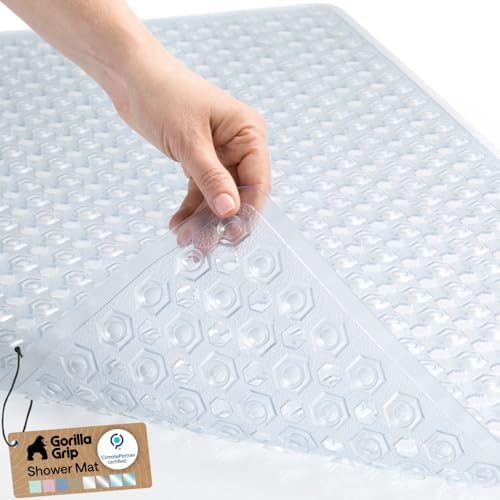
Even with grab bars, slick surfaces need extra attention. Place a non-slip mat inside the tub or shower and make sure it lays flat without curling edges. Mats with strong suction cups stay in place and provide a textured surface that helps prevent sudden slips.
If water tends to pool outside the shower, add a mat to the bathroom floor and dry it regularly. Choose mats that are easy to clean and resistant to mildew.
 Check out this product →
Support Safe Getting In and Out of Bed
Bedrooms can be tricky at night, especially for those who have trouble getting up or down from bed. A bed rail offers firm support for standing or sitting and prevents rolling out of bed during sleep. Look for rails that clamp securely and support higher weight limits, as loose or wobbly models can cause more problems than they solve.
Place nightstands within easy reach and keep pathways clear for a walker or cane. If your parent struggles with mobility, avoid deep or low beds that require awkward bending.
 Check out this product →
Improve Lighting for Nighttime Safety
Low light makes it easy to trip over objects or miss steps, especially for those with vision changes. Plug-in night lights in hallways, bedrooms, and bathrooms help prevent nighttime falls. Choose models with motion sensors or dusk-to-dawn settings so they turn on automatically and don’t require fiddling with switches.
Check that stairways, entrances, and exits are well-lit. Replace dim bulbs and use brighter, energy-efficient options where needed.
 Check out this product →
Check Entrances, Stairs, and Emergency Equipment
Stairs and doorways need sturdy railings and clear paths. If your parent struggles with round door handles, swap them for lever-style ones that are easier to operate with arthritis. Make sure outdoor steps are stable and well-lit, with railings on both sides where possible.
Install carbon monoxide detectors and check smoke alarms regularly. Reassess the setup every six to twelve months, as needs and abilities can change quickly.
Final thoughts
Small updates make a big difference in preventing accidents and supporting independence. Walk through your home with your parent, talk about changes that feel comfortable, and revisit the checklist as needs evolve. Safety isn’t one-and-done — staying proactive keeps your loved one confident and secure.