

Deciding to use a mobility aid can feel like a big step, but it often brings more freedom and confidence than people expect. Recognizing the right time—and understanding your options—can help you stay active, safe, and connected to the things you enjoy.
Recognizing Signs You Might Need Support
Frequent falls or near-misses are clear signals it may be time to consider a mobility aid. If you often feel unstable standing or walking, or notice fatigue and joint pain after walking short distances, extra support can make everyday life safer. Many people start avoiding activities they once enjoyed because they're worried about tripping or getting tired. If you find yourself grabbing walls or furniture for balance, or hesitating to leave the house, it’s worth looking into tools that can help you regain your confidence.
Choosing the Right Mobility Aid for Your Needs
The best mobility aid matches your specific challenges and lifestyle. Canes work well for mild balance issues or occasional support, while walkers and rollators offer more stability for those who feel unsteady on both sides or tire quickly. Safety features are critical—good brakes, anti-tip designs, and non-slip grips reduce the risk of falls.
Adjustable height, ergonomic handles, and padded seats can make a huge difference in comfort, especially if you plan to use your aid frequently. Try to assess how much support you need: a cane suits those who need a light touch, while a rollator or walker fits people who want a stable base and sometimes a seat to rest.
Walkers: Reliable Stability for Everyday Use
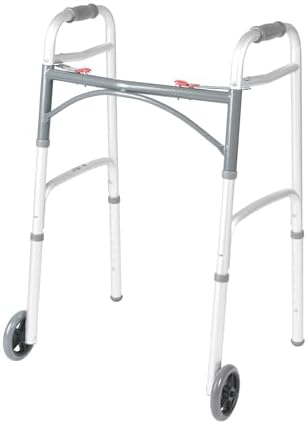
Walkers provide sturdy support for people who feel unstable on both sides or have trouble walking without assistance. They’re especially useful if you’ve had a recent fall or need help standing for longer periods. Walkers with wheels are easier to move and reduce strain, while height-adjustable models help you find a comfortable fit.
If you frequently walk on smooth surfaces and need reliable stability, a standard walker with wheels can help you move safely and confidently. It’s a practical option for anyone who wants to stay active at home or in the community without risking another fall.
 Check out this product →
Rollators: Comfort and Convenience for Longer Walks
Rollators combine stability with convenience, making them ideal for people who want to walk longer distances or take breaks along the way. Large wheels handle uneven surfaces—such as gravel or sidewalks—better than standard walkers. Built-in padded seats and storage baskets make outings more comfortable and practical.
If you enjoy going out for errands or social visits but tire easily, a rollator can help you stay independent. The foldable design is useful for travel, and ergonomic handles reduce strain on your wrists and hands.
 Check out this product →
Canes: Simple Support for Mild Balance Issues
A cane is a straightforward option for those who need just a little help with balance or stability. Adjustable canes fit different heights and can be folded for easy storage and travel. Models with all-terrain tips give better traction on a variety of surfaces, reducing the risk of slips.
If you only need support during short walks or when standing for longer periods, a well-designed cane can help you stay active without adding bulk. Look for a cane that’s sturdy, comfortable to grip, and easy to adjust.
 Check out this product →
Mobility Scooters: For Longer Distances and Outdoor Adventures
If walking even short distances is exhausting or painful, a mobility scooter can help you regain independence and enjoy activities outside the home. Scooters are especially helpful for people with significant joint pain, fatigue, or limited stamina. Foldable designs allow you to travel with the scooter and store it easily when not in use.
Scooters with three wheels are easier to maneuver in tight spaces and can handle smooth outdoor surfaces. They make errands, visits, and outings possible again, letting you focus on the experience rather than worrying about getting tired or losing balance.
 Check out this product →
Final thoughts
Mobility aids are tools for staying active, safe, and connected—not signs of defeat. Recognizing when you need extra support can prevent injuries and let you keep enjoying the things you care about. The right aid depends on your needs and routines, so choose with care and don’t hesitate to seek expert advice if you’re unsure. With smart, comfortable support, mobility can feel easier than you expect.